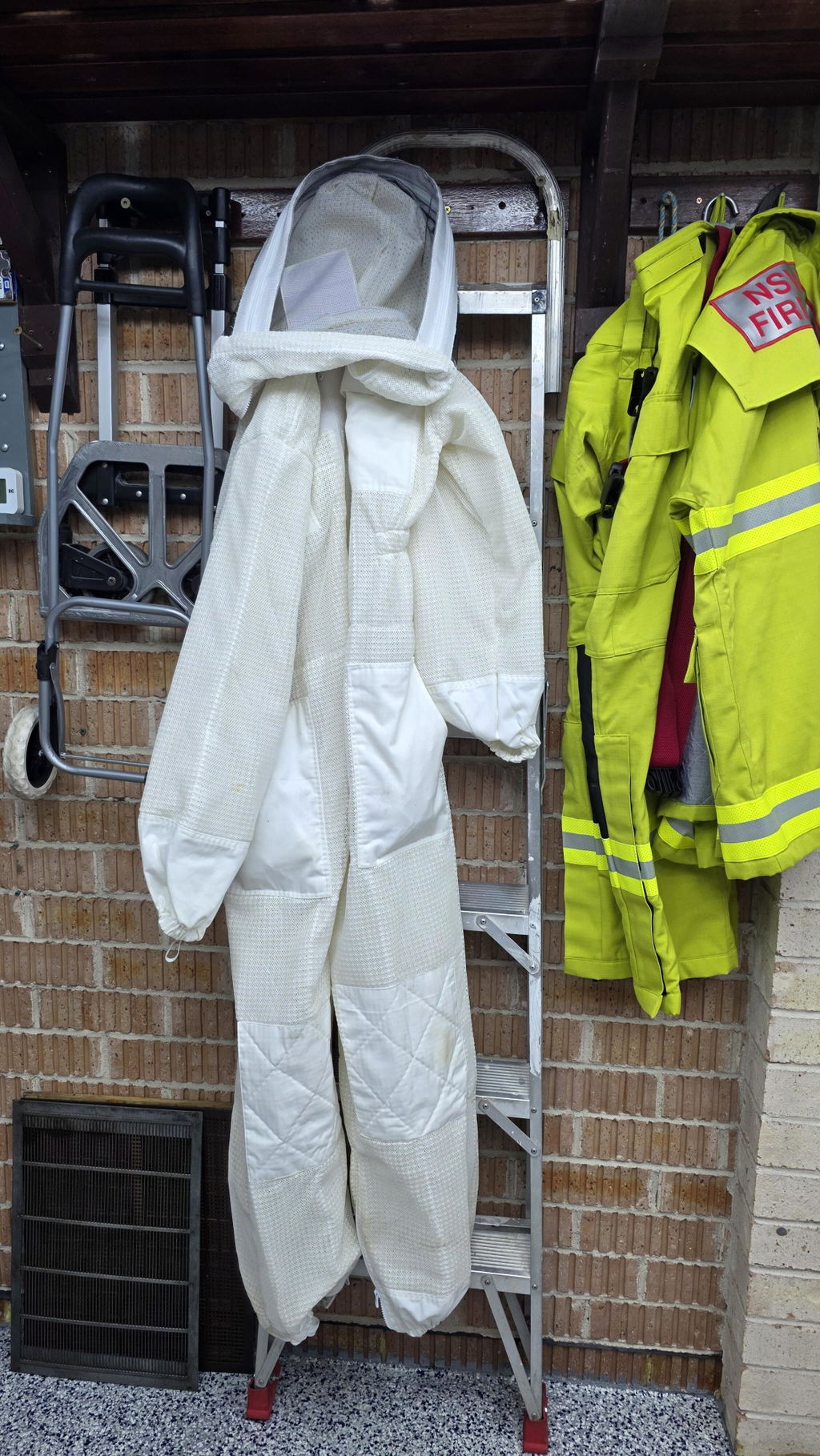


3 Layer Mesh Ventilated Beekeeping Suit
3 Layer Mesh Ventilated Bee Suit
The 3 Layer Mesh Ventilated Beekeeping Suit is made from a triple-layer fabric mesh that adds a barrier of protection against stings while letting air circulate to keep you cooler through the Australian summer — a favourite for beekeepers who find traditional cotton suits too hot.
Features
- Triple-layer build: soft poly-cotton inner and outer layers with a lightweight mesh layer between for added sting protection
- Breathable ventilated design to keep you cooler in warm weather
- Handy pockets for your hive tool or phone
- Reinforced knee pads
- Elastic straps at the ankles and wrists to hold the suit in place
- Choice of round hat or fencing veil
Sizing
Available from small through to 6X-large. Need a kid's size? See our Children's 3 Layer Bee Suit. To pick the right fit, see our sizing guide.
Frequently asked questions
What is the bee suit made of?
Our ventilated bee suit uses a triple-layer fabric: soft poly-cotton inner and outer layers with a lightweight mesh layer between them. That mesh holds the outer fabric away from your skin, which helps keep stings at bay while letting air flow through to keep you cool.
Is a ventilated bee suit sting proof?
No bee suit is completely sting-proof, but the triple-layer mesh adds a real barrier — because the mesh keeps the outer fabric off your skin, it reduces the chance of a sting getting through compared with a single-layer cotton suit.
Ventilated or cotton — which should I choose?
A ventilated mesh suit is the better pick for Australia's warm climate; the airflow keeps you noticeably cooler during summer inspections. A traditional cotton suit is a lower-cost option some beekeepers prefer the feel of. If you regularly work hives in the heat, most people find ventilated worth it.
What size bee suit do I need?
Suits run from small to 6X-large. Children's sizes are available as a separate product. Check our sizing guide for measurements before ordering.
How do I care for my bee suit?
We recommend removing the veil before washing, using a cold gentle machine cycle, and air drying rather than a hot dryer to protect the mesh and fabric.
Share this Product
Customer Reviews
Size was perfect and had no bee stings coming through the material.
perfect, thank you
Great shopping experience. Really really happy with the quality of the suits and gloves.
We’ll definitely use you as we set off down the bee keeping adventure. Regards, Robert and Deb
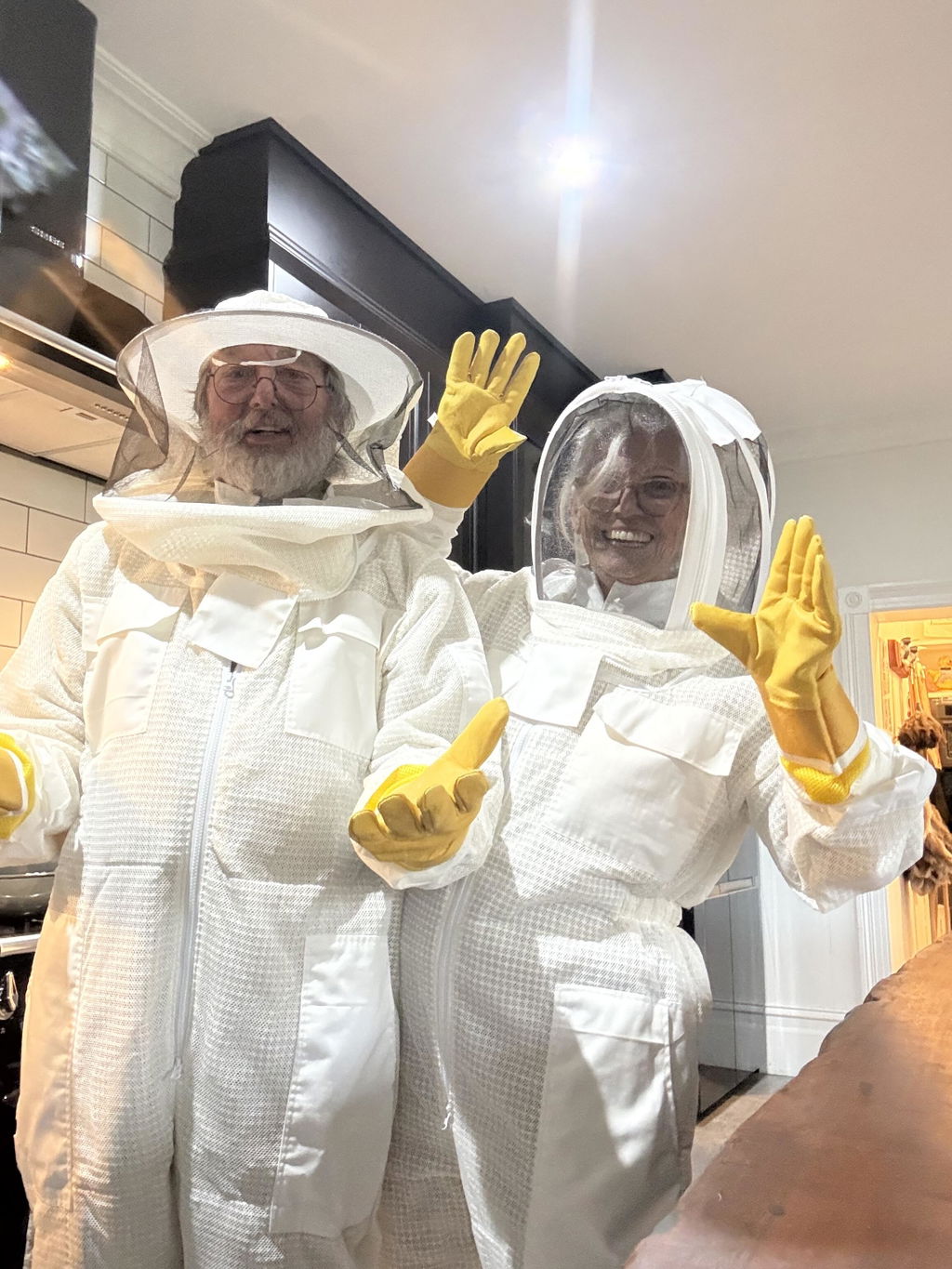
Awesome long lasting kit. really happy
I have been using this 3-layer mesh ventilated beekeeping suit for quite some time, and it has become my primary choice for working my hives during the intense Australian summer. As a beekeeper in Prestons who also serves in the Rural Fire Brigade, I am very familiar with the physical toll of working in heavy protective gear under the sun. I was looking for a suit that provided the same sting-proof security as traditional heavy cotton but with the airflow needed to prevent overheating during long afternoons in the apiary.
The triple-layer ventilated fabric is the absolute standout feature for me. The design sandwiches a lightweight mesh between two layers of soft poly-cotton, creating a physical "gap" that is deeper than a bee's stinger. This allows the breeze to pass directly through the suit to your skin while keeping the bees at a safe distance. I’ve found the reinforced knee pads to be exceptionally practical for those lower hive inspections where you’re often kneeling on rough ground. The elastic ankle and wrist straps, combined with the dedicated hive tool pocket, ensure that your gear stays secure and the bees stay out.
Pros
Superior Thermal Regulation: The 3-layer mesh design provides maximum ventilation, significantly reducing the risk of heat exhaustion while working multiple hives in high temperatures.
Proactive Sting Protection: By creating a thick, airy barrier, the suit minimizes the chance of a stinger reaching your skin, even when the fabric is pressed against you.
Thoughtful Utility: Features like reinforced knees and specialized pockets for your phone and hive tool make it a highly functional piece of equipment for serious hobbyists or professionals.
Cons
Weight vs. Airflow: While it is much cooler than solid cotton, the three layers of mesh can feel slightly bulkier and heavier when you first put it on; however, this is a fair trade-off for the cooling benefits.
Care Instructions: To maintain the integrity of the mesh and the protective "loft," it is best to hand wash or use a very gentle cycle, as high-heat drying can damage the specialized synthetic layers.